January 18, 2026
Homeowners today are increasingly focused on improving comfort while keeping energy costs under control. One often overlooked but highly effective way to achieve both goals is through energy-efficient blinds and drapery. Window treatments play a critical role in regulating indoor temperatures, managing sunlight, and enhancing overall livability. When chosen thoughtfully, blinds and drapery can help reduce heat loss in the winter, minimize heat gain in the summer, and create a more balanced indoor environment year-round. Beyond utility savings, these solutions also contribute to visual appeal and personalized design, making them a smart investment for virtually every room in the home.
Key Benefits of Energy-Efficient Blinds and Drapery
One of the most significant advantages of energy-efficient blinds and drapery is their ability to improve insulation around windows. Windows are one of the main sources of heat transfer in a home, and poorly insulated glass can allow conditioned air to escape. Well-designed window treatments create an additional barrier that slows this transfer, helping interiors stay warmer in colder months and cooler during hotter seasons. This added insulation can be especially valuable in rooms with large or older windows that are more prone to drafts.
Lower energy consumption is another key benefit. By reducing reliance on heating and cooling systems, homeowners often notice a drop in monthly utility bills. Over time, these savings can offset the initial cost of upgrading blinds and drapery, making them a financially sound improvement. In addition to cost efficiency, improved temperature control enhances everyday comfort. Rooms feel less drafty in winter and less stuffy in summer, allowing occupants to enjoy consistent conditions without constant thermostat adjustments. This consistency can also support better sleep, productivity, and overall well-being.
Energy-efficient blinds and drapery can also contribute to noise reduction. Thicker fabrics and layered designs help dampen outside sounds, which is especially beneficial in urban areas or homes near busy roads. This combination of insulation, savings, comfort, and acoustic benefits makes energy-conscious window treatments a practical choice for modern living.
Design Features That Improve Energy Efficiency
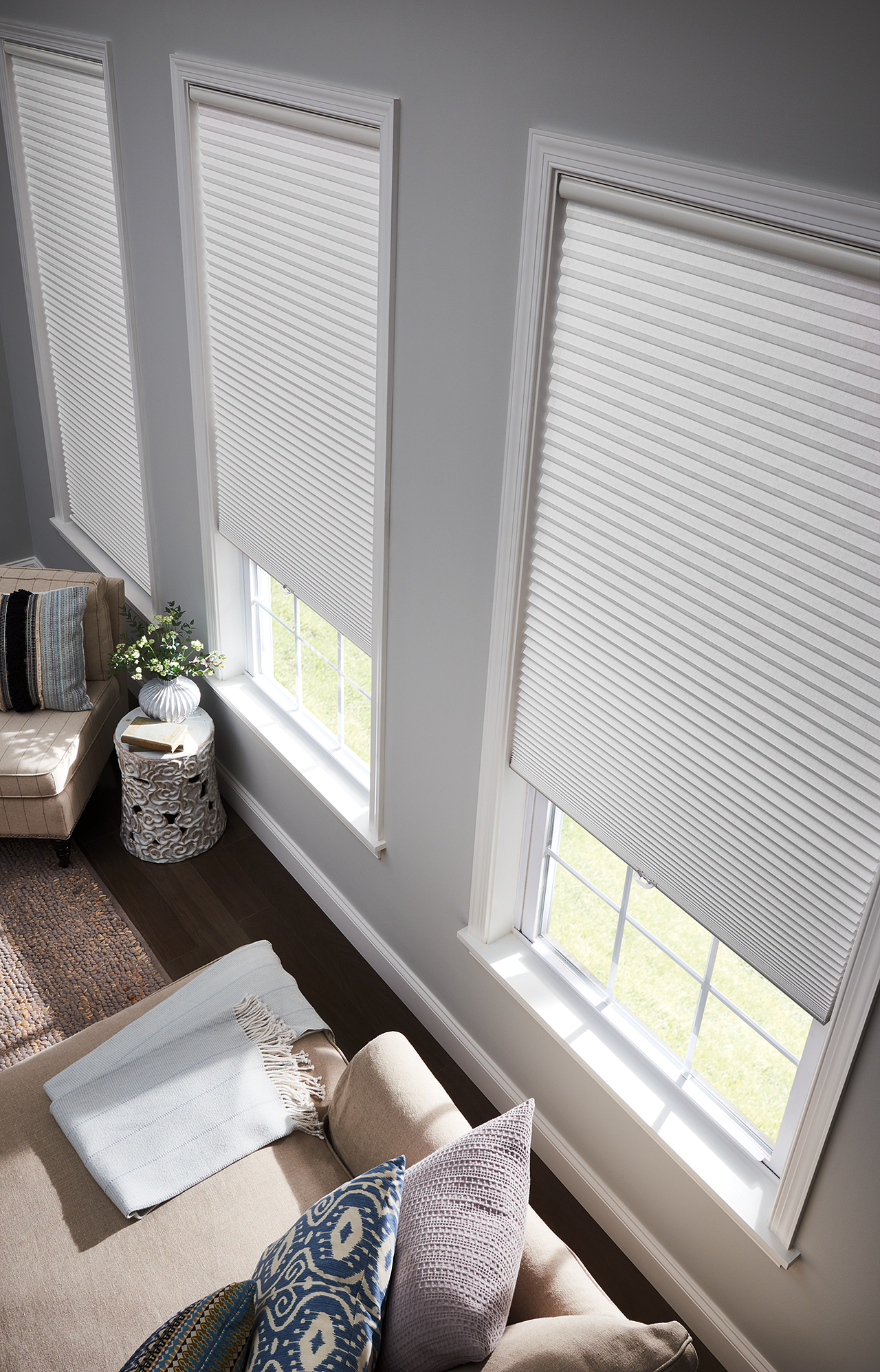
Modern blinds and drapery differ significantly from traditional window coverings due to advances in materials and construction. Many energy-efficient designs incorporate thermal linings, honeycomb structures, or multi-layered fabrics that trap air and reduce heat transfer. Cellular blinds, for example, feature pockets that hold air in place, creating an insulating layer between the window and the room. These innovations allow window treatments to function as active contributors to a home’s energy performance rather than purely decorative elements.
Drapery has also evolved, with manufacturers offering fabrics specifically engineered for thermal performance. These materials are often tightly woven or paired with insulating backings that reflect heat into the room during winter and block solar gain during summer. Some blinds and drapery are designed with reflective surfaces that deflect sunlight while still allowing natural light to filter in. As a result, homeowners can maintain bright interiors without sacrificing temperature control.
Installation precision is another important distinction. Proper placement ensures maximum efficiency. According to This Old House, interior window treatments should be mounted close to the glass, leaving roughly half an inch of space between the treatment and the windowpane. This small gap helps limit air circulation and improves the insulating effect, enhancing the overall performance of blinds and drapery.
Types of Blinds That Enhance Energy Performance
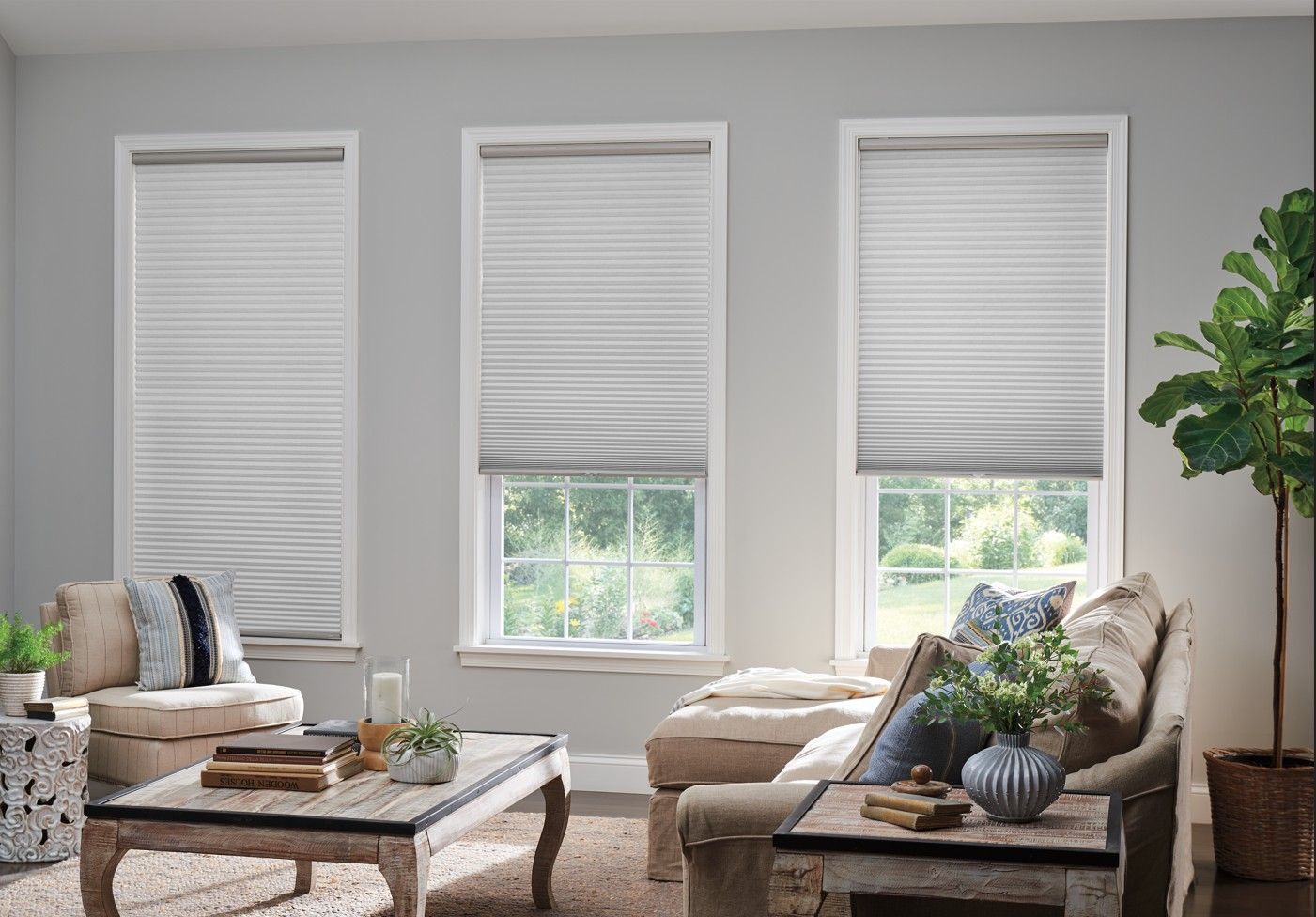
Not all blinds offer the same level of energy efficiency, and selecting the right type can make a noticeable difference. Cellular or honeycomb blinds are widely regarded as one of the most effective options. Their layered design creates insulating air pockets that reduce heat loss and gain, making them ideal for rooms with large windows or temperature fluctuations. These blinds are especially beneficial in areas exposed to extreme outdoor temperatures, where maintaining consistent indoor comfort can be challenging.
Blackout blinds are another strong choice, particularly for bedrooms and media rooms. Their dense materials block sunlight entirely, preventing unwanted heat from entering during the day and retaining warmth at night. Roller blinds with thermal backing can also provide effective insulation while maintaining a clean, minimalist appearance. In spaces where both energy efficiency and light control are priorities, these options offer practical versatility.
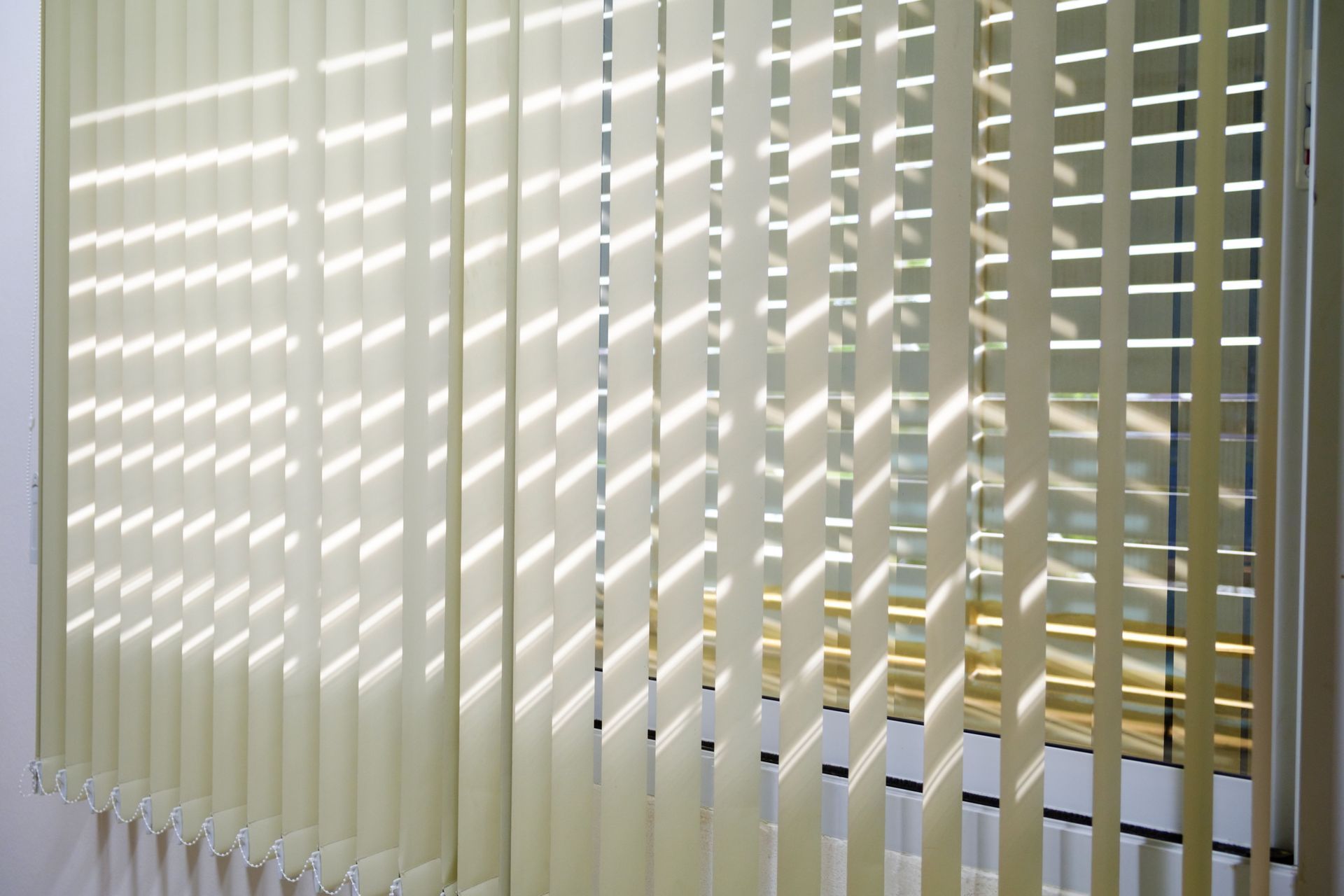
Venetian blinds, while not as insulating on their own, can still contribute to energy efficiency when combined with drapery or designed with reflective coatings. When angled properly, they help control light and reduce solar heat gain. Pairing these blinds with energy-efficient drapery adds an extra layer of insulation, further enhancing temperature regulation.
How Energy-Efficient Blinds and Drapery Support Indoor Climate Control
Maintaining a stable indoor climate is essential for comfort and energy conservation, and blinds and drapery play a central role in this effort. During colder months, closed window treatments help trap warm air inside, reducing drafts and easing the workload on heating systems. In warmer seasons, they limit the amount of heat entering through windows, keeping rooms cooler without excessive air conditioning use.
Different rooms benefit in different ways. Living areas with large windows often experience significant temperature swings, making energy-efficient blinds and drapery especially valuable. Bedrooms benefit from improved temperature consistency and light control, which can support better sleep. Kitchens and home offices also gain from reduced glare and more comfortable working conditions.
By moderating heat transfer throughout the day, blinds and drapery help maintain balanced indoor temperatures even as outdoor conditions change. This consistent climate control not only improves comfort but also supports the longevity of HVAC systems by reducing frequent cycling and strain.
Balancing Energy Efficiency With Style and Design
One of the most significant advantages of energy-efficient blinds and drapery is their ability to improve insulation around windows. Windows are one of the main sources of heat transfer in a home, and poorly insulated glass can allow conditioned air to escape. Well-designed window treatments create an additional barrier that slows this transfer, helping interiors stay warmer in colder months and cooler during hotter seasons. This added insulation can be especially valuable in rooms with large or older windows that are more prone to drafts.
Lower energy consumption is another key benefit. By reducing reliance on heating and cooling systems, homeowners often notice a drop in monthly utility bills. Over time, these savings can offset the initial cost of upgrading blinds and drapery, making them a financially sound improvement. In addition to cost efficiency, improved temperature control enhances everyday comfort. Rooms feel less drafty in winter and less stuffy in summer, allowing occupants to enjoy consistent conditions without constant thermostat adjustments. This consistency can also support better sleep, productivity, and overall well-being.
Energy-efficient blinds and drapery can also contribute to noise reduction. Thicker fabrics and layered designs help dampen outside sounds, which is especially beneficial in urban areas or homes near busy roads. This combination of insulation, savings, comfort, and acoustic benefits makes energy-conscious window treatments a practical choice for modern living.
Energy-efficient blinds and drapery offer a wide range of benefits that extend beyond simple window coverage. By improving insulation, lowering energy costs, enhancing comfort, and supporting indoor climate control, they contribute meaningfully to a home’s overall performance. Advances in materials and design make it easier than ever to find blinds and drapery that balance efficiency with style, ensuring that every room feels comfortable and looks polished. With thoughtful selection and proper installation, these window treatments become a valuable component of a sustainable, comfortable, and visually appealing home. If you're interested in window coverings, reach out to the dedicated professionals at ZNL Window Coverings Inc today!